Lip and mouth positions for English sounds
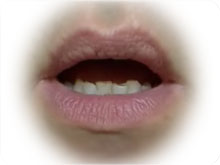
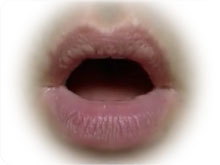
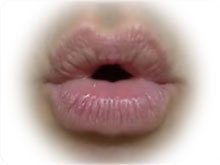
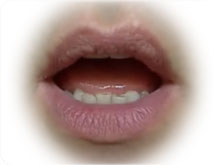
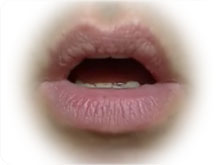
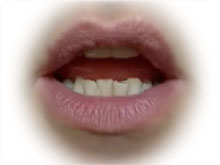
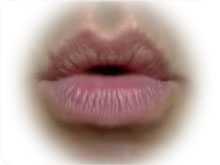
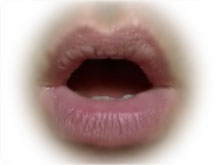
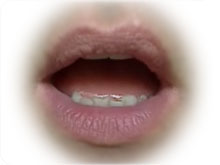
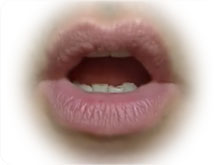
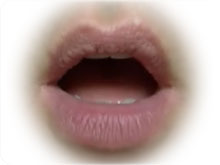
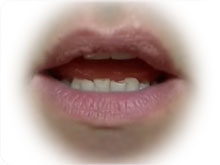
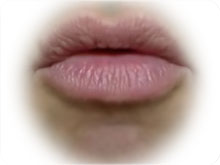
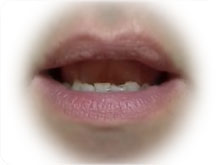
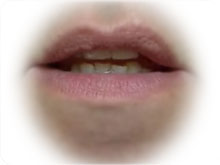
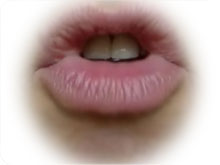
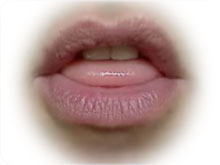
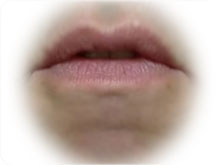
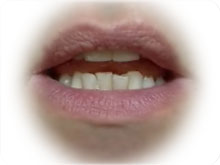
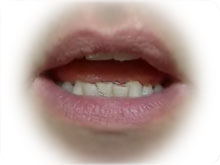
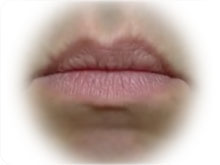
This visual guide shows the lip and mouth positions for the speech sounds of American English. Each photograph presents the mouth shape for one or more vowel or consonant sounds, alongside IPA symbols, example words and a short pronunciation video for each sound.
Go beyond the mouth position photographs
This page shows the mouth positions for each English sound, but photographs cannot show how sounds combine in words and sentences, or whether you are producing them correctly. Pronunciation Coach 3D lets you type any English word or sentence and see how the tongue, lips and airflow shape each sound, then record yourself and get an instant pronunciation score.
See how Pronunciation Coach 3D works →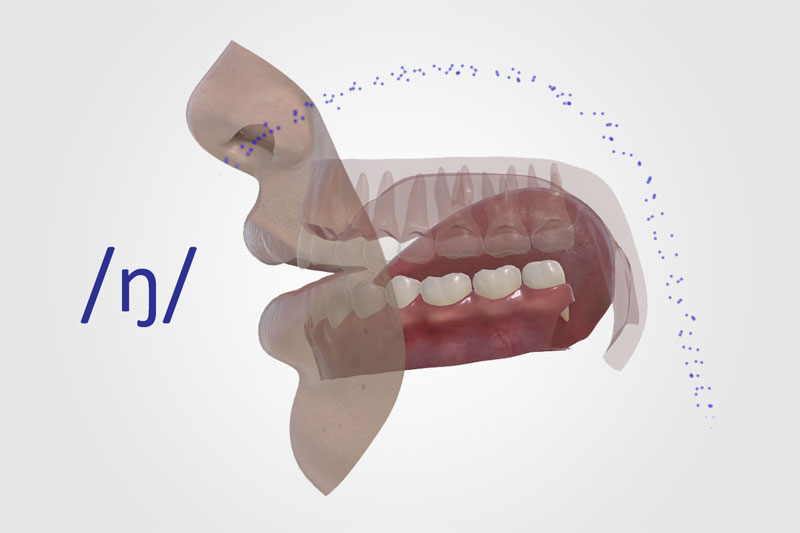
Frequently asked questions
English has around 40 speech sounds, but far fewer distinct mouth positions, because several sounds are produced with the same visible shape of the lips and mouth. The photographs on this page group the sounds of American English into 21 mouth positions. For example, /p/, /b/ and /m/ all share one position, as the lips come together in the same way for each. The differences between them involve voicing and airflow, which are not visible in a front-facing mouth photograph.
No. Several English sounds are made with the same visible mouth shape, which is why this page shows 21 mouth positions for 40 English sounds. Sounds that look identical from the front are often distinguished by what the tongue is doing further back, or by voicing and airflow, rather than by the shape of the lips. For example, /t/, /d/ and /n/ share one mouth position, and /s/ and /z/ share another. The short video for each sound shows how it is produced and lets you hear differences that the photograph alone cannot show.
English sounds vary in the shape and position of the lips, jaw and mouth. Vowel sounds are mainly distinguished by how open the mouth is and whether the lips are rounded, spread or relaxed. For example, rounded vowels such as /u/ in boot involve the lips forming a circular shape, while spread vowels such as /i/ in beat have the lips stretched wider.
For consonants, the visible mouth position depends on where the sound is made. /p/, /b/ and /m/ involve the lips pressing together, /f/ and /v/ bring the upper teeth to the lower lip, and /θ/ and /ð/ bring the tongue tip to or between the teeth. Other consonants, such as /t/, /d/, /k/ and /g/, may show little visible lip movement because the main articulation happens inside the mouth.
Yes. A viseme is the visual form of a speech sound — the shape the mouth appears to make, rather than the sound itself. Because several different sounds can share the same visible mouth shape, one viseme often corresponds to more than one speech sound.
This is how the photographs on this page are organised: each image shows a visible mouth position, or viseme, with the English sounds that share that shape grouped beneath it. The term viseme is most often used in animation, lip-reading and computer speech, but it describes the same basic idea — the visible mouth positions used in speech.
The mouth positions and sounds shown on this page are based on American English, using a set of 40 English speech sounds. You may see the figure 44 sounds quoted elsewhere; this is often used for British English, which counts a slightly different set of vowel sounds.
The visible mouth positions are broadly similar across both accents, so the photographs remain a useful guide whichever variety of English you are learning. The main differences between British and American English are in the vowel sounds and in how certain sounds are combined, rather than in the basic shapes the mouth makes.
Yes. The photographs on this page show the mouth from the front, but they cannot show what happens inside the mouth, where the tongue, teeth and airflow shape each sound.
Pronunciation Coach 3D brings these positions to life. You can type any English word or sentence and watch a 3D model show how the tongue, lips and airflow move to produce each sound, from any angle. It is a natural next step once you have seen the mouth positions here.